

The buyer journey does not end at the till: How AfterBon extends the purchase path
Published on 6 April 2026
In classic marketing the buyer journey often stops at the purchase. Yet that moment can be the start of a new phase—if you use it deliberately.
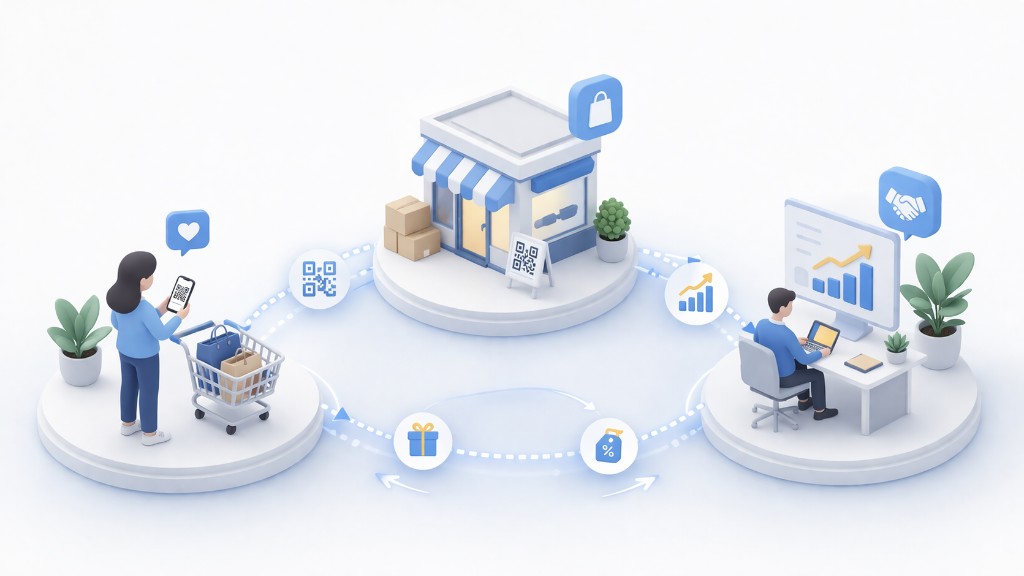
The traditional buyer journey
The classic journey typically includes:
- Awareness
- Consideration
- Decision
- Purchase
Retention often follows—but many brands treat the buying process as finished.
The problem: Missed opportunities
Someone who has just bought is highly likely to buy again soon: budget is active, attention is high, further needs may appear. Ignoring that window wastes potential.
The extended buyer journey with AfterBon
AfterBon adds a phase immediately after purchase:
- Awareness
- Consideration
- Decision
- Purchase
- Post-purchase discovery (new): offer via receipt / QR
- Retention
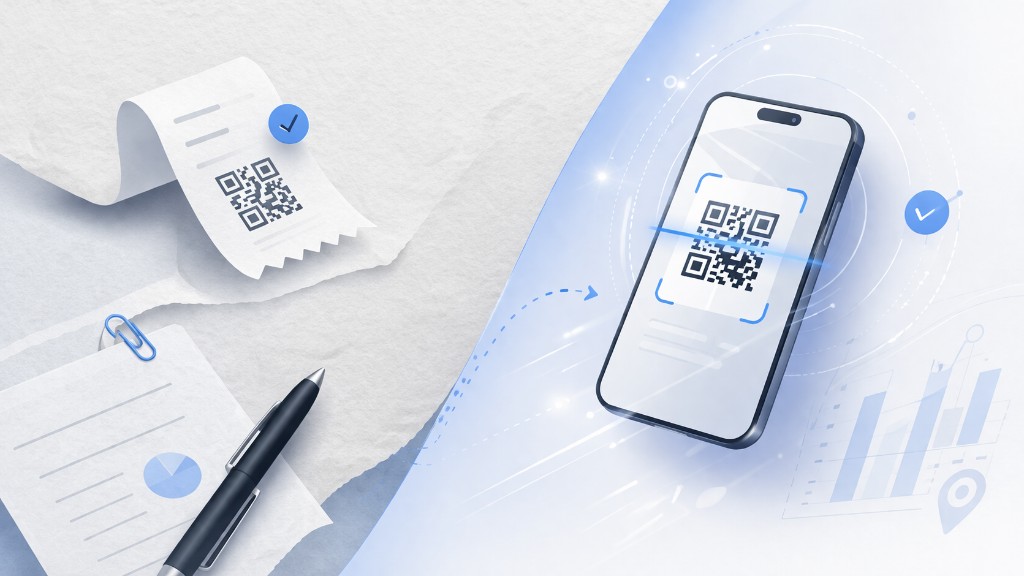
In post-purchase discovery, the customer receives relevant follow-up offers through digital access from the receipt.
Example: Fuel stop
Without AfterBon
- Customer fuels for €50
- Customer pays
- Customer drives away
- Interaction ends at the POS
With AfterBon
- Customer fuels and receives a receipt with a QR code
- Customer scans the code (e.g. while walking to the car)
- Landing page shows a matching offer (e.g. car care)
- Code entry and hand-off to the partner
- Second conversion—measurable
The psychological advantage
- Momentum: Shortly after a purchase, willingness for another relevant step is often high.
- Consistency: Follow-up purchases in the same theme feel coherent.
- Low friction: QR scan without mandatory app installs or long forms.
- Relevance: The offer relates to the purchase just made.
Practical examples of extended journeys
Snack buyer
- Purchase
- Sandwich and drink at the fuel station.
- AfterBon offer
- e.g. €10 off the first order with a grocery delivery service.
- Logic
- People who eat on the go often cook less at home—a delivery service is contextually close.
- Result (example)
- Illustrative example from the field: 12% conversion.
Soft drinks / refreshment
- Purchase
- Chilled drink at the forecourt or in convenience.
- AfterBon offer
- e.g. discount on a refillable or premium drinks subscription, juice/smoothie delivery, or a hydration-focused snack box.
- Logic
- Impulse buys on the road pair well with nutrition and convenience offers.
- Result (example)
- Compare to display benchmarks in the low single digits; exact figures depend on the campaign.
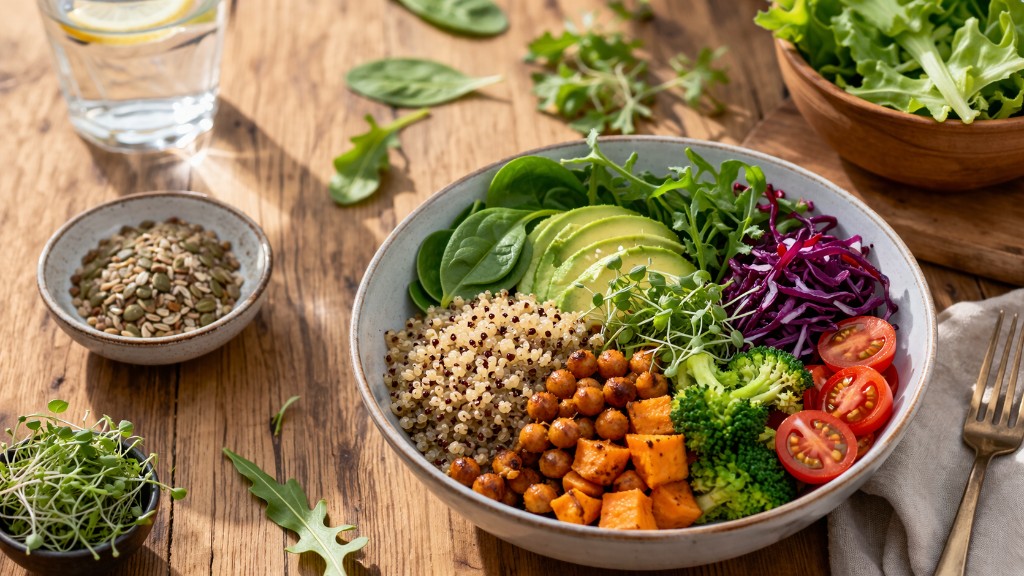
Vegan / healthy food
- Purchase
- Vegan ready meal, salad to go, or a clearly plant-based snack.
- AfterBon offer
- e.g. discount on a vegan meal-prep box, organic delivery, nutrition app, or local healthy-food shop.
- Logic
- The basket signals interest in mindful eating—follow-up offers in the same space increase relevance.
- Result (example)
- Illustrative and category-dependent; A/B testing recommended.
What the data suggests
Reference values from marketing (not project-specific) might look like this—they are for orientation, not a guarantee:
- Cold display: often low single-digit CTR/conversion depending on setup
- Retargeting: typically higher than cold display
- Email: highly list- and creative-dependent
- Post-purchase / contextual: often higher relevance than untargeted banners
Benefits by industry
Automotive
Fuel customers are a fit for car care, workshops, insurance, or mobility offers.
Food & beverage
Snack and drink purchases pair with delivery, restaurants, or subscription models.
Media & entertainment
Kiosk purchases can lead to digital subscriptions, streaming, or e-books.
Travel & mobility
On-the-go purchases create context for travel, hire cars, or tickets.
Technical implementation
- Receipt prints as usual.
- QR code is included.
- Scanning is voluntary.
- Landing page shows the personalised or segmented offer.
- Tracking captures the agreed steps.
- Partners compensate per the agreed model (e.g. performance).
Often no extra app for end customers; partners need no deep POS integration if the channel is provided centrally.
Best practices for AfterBon affiliate campaigns
Maximise relevance
- Tie the offer to audience and basket context (e.g. mobility → automotive, snack → food).
Strong offers
Clear discounts or benefits that stand out from generic ads.
Simple redemption
Few steps from scan to conversion.
Clear calls to action
Action-oriented copy instead of vague “learn more” where possible.
Mobile optimisation
QR is used on phones—check load times and usability.
Test and iterate
Run A/B tests on offers, creatives, and copy.
Time limits
Urgency can help—communicate fairly and compliantly.
The future of receipt-based affiliate marketing
- AI-driven personalisation from purchase patterns
- Multi-touch attribution with other channels
- Programmatic models for receipt-context placements
- Cross-channel with email or push where permitted
Conclusion
The receipt is a strong, often overlooked affiliate channel. AfterBon connects in-store contacts with measurable digital performance.